
Inside Charles Hart's Courtroom and Trial Experience
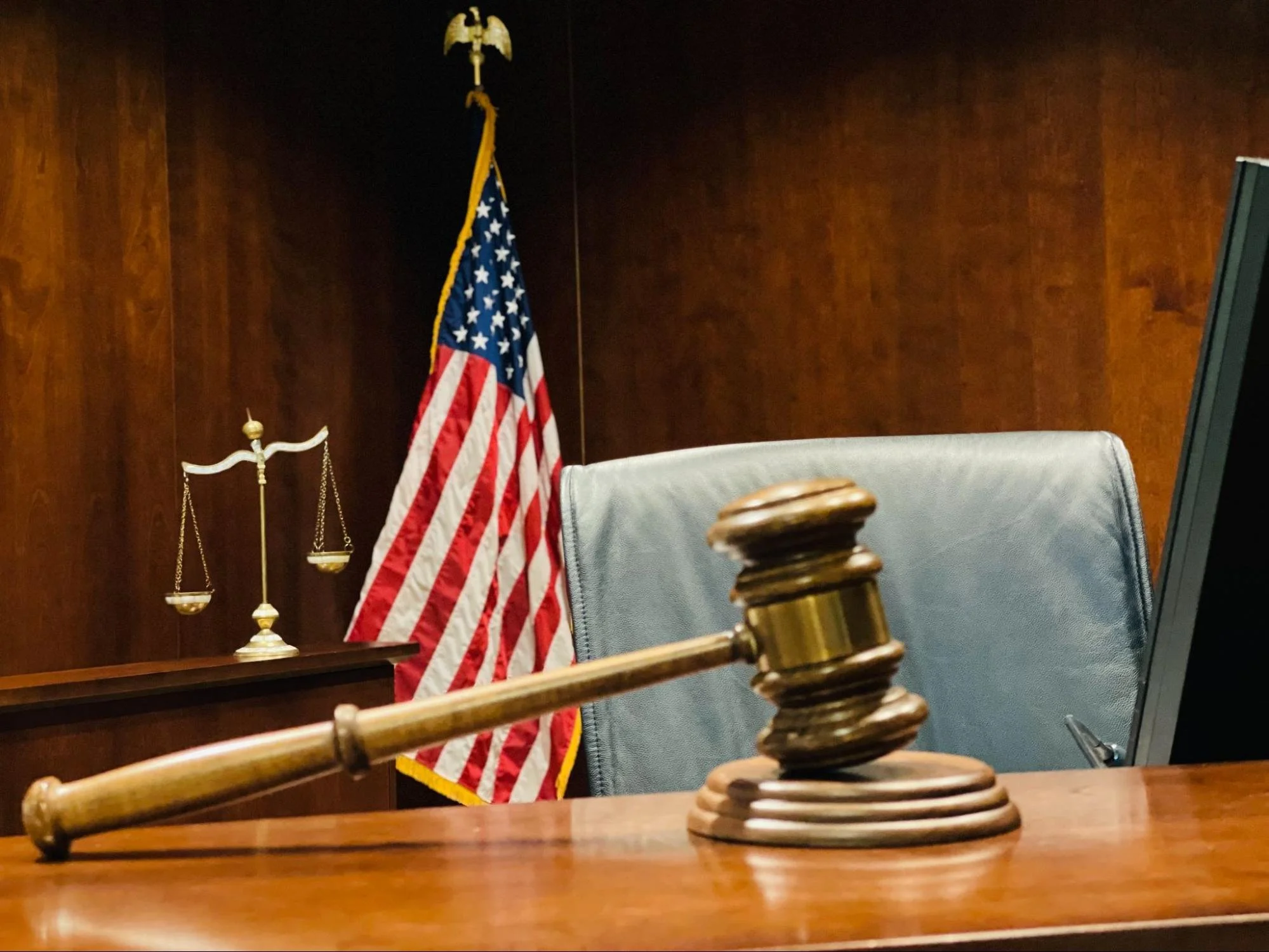
Choosing a Circuit Judge involves more than reading campaign materials or recognizing a familiar name. Many voters want to understand how a candidate has handled real legal challenges before seeking judicial office. Courtroom experience offers one of the clearest ways to evaluate that background because it reflects years of practical work instead of promises. Looking inside Charles Hart's courtroom and trial experience provides helpful context for understanding the legal career behind his candidacy.
Why Courtroom Experience Goes Beyond Trials
Many people associate courtroom experience only with dramatic jury trials, but daily legal practice involves much more. Attorneys spend considerable time preparing cases, responding to legal issues, and appearing before judges in different types of proceedings. That broad experience helps shape the judgment, professionalism, and adaptability expected from someone pursuing judicial office.
What Courtroom Experience Includes
Courtroom experience covers nearly every stage of the litigation process, not just the trial itself. Attorneys regularly participate in hearings, oral arguments, evidentiary motions, status conferences, and settlement discussions before a case reaches trial. They also prepare legal filings, organize exhibits, and research statutes and legal precedent that support their arguments. Many proceedings focus on procedural questions instead of witness testimony, making preparation just as important as courtroom presentation. Every appearance requires attorneys to understand courtroom rules while responding to changing legal issues with confidence. That combination of preparation and courtroom advocacy builds practical experience that develops over many years.
Every Hearing Builds Practical Judgment
No two courtroom proceedings unfold the same way because each case presents different facts and legal questions. Attorneys often adjust their strategy after new evidence emerges or a judge issues an unexpected ruling. They must think carefully while protecting their clients' interests and respecting courtroom procedures. Those decisions happen in real time and often influence how a case continues. Repeated exposure to different legal situations strengthens an attorney's ability to analyze problems from multiple perspectives. That practical judgment becomes one of the strongest qualities developed through courtroom work.
Preparation Starts Long Before Court
Successful courtroom advocacy begins well before an attorney stands before a judge. Much of the work happens behind the scenes through legal research, document review, witness preparation, and careful case planning. Attorneys also study opposing arguments to anticipate questions that may arise during hearings or trials. That preparation helps them present organized positions supported by evidence instead of assumptions. Clients also benefit because careful planning reduces unnecessary delays and confusion throughout the legal process. Strong preparation often separates experienced trial attorneys from those with limited courtroom exposure.
Understanding Charles Hart's Trial Background
Courtroom experience is measured by more than the number of cases an attorney has handled. It reflects years of preparation, legal analysis, courtroom advocacy, and professional responsibility across different proceedings. Examining Charles Hart's trial background provides valuable context for understanding how practical litigation experience shapes legal judgment.
Building Perspective Through Trial Practice
Years of courtroom practice expose attorneys to legal disputes that demand careful preparation, thoughtful analysis, and steady advocacy. Trial proceedings often present new legal questions that require quick thinking while remaining grounded in the facts and the law. Charles Hart's courtroom background reflects that kind of practical experience, where each case contributed to a broader understanding of litigation and legal decision-making.
Managing Evidence and Witnesses
Preparing evidence and witnesses is one of the most important responsibilities before any hearing or trial. Documents, records, photographs, and other exhibits must be carefully reviewed to determine how they support the legal issues before the court. Witnesses also require thoughtful preparation so their testimony remains accurate, relevant, and clearly presented. During proceedings, attorneys question witnesses while responding to objections and procedural rulings as cases unfold. Those responsibilities require focus, adaptability, and respect for courtroom procedure. Experience handling those tasks strengthens courtroom judgment while reinforcing the importance of presenting facts with professionalism and integrity.
Communicating Effectively in Court
Courtroom advocacy depends on presenting legal arguments that are organized, logical, and supported by evidence. Throughout years of litigation, Hart has explained legal issues before the court while responding thoughtfully to questions from judges. The same communication skills also help clients understand complex legal matters and make informed decisions throughout their cases. Clear explanations reduce confusion and keep proceedings focused on the facts. Consistent communication reflects both preparation and practical courtroom experience. That ability remains valuable in every stage of the legal process.
Responding to Challenges During Trial
Even the strongest legal strategy may require adjustments once courtroom proceedings begin. Unexpected testimony, evidentiary rulings, or procedural decisions can quickly change the direction of a case. Experienced trial attorneys evaluate those developments before deciding the most appropriate response. Years of courtroom work have provided opportunities to adapt while continuing to present organized legal arguments. Remaining composed during changing circumstances reflects confidence built through practical litigation experience. That flexibility supports thoughtful decision-making throughout every stage of a case.
Professional Standards Inside the Courtroom
Professional standards become visible every time attorneys appear before the court. Respectful interactions with judges, opposing counsel, clients, witnesses, and court personnel help maintain confidence in the legal process. Hart's courtroom experience reflects those responsibilities alongside the legal work performed throughout years of litigation.
Upholding Professional Ethics
Every attorney carries ethical responsibilities that extend beyond courtroom advocacy. Presenting truthful information, protecting client confidentiality, and following professional rules remain essential throughout every proceeding. Ethical practice also includes treating opposing counsel fairly while remaining committed to each client's legal interests. Those responsibilities continue outside the courtroom through honest communication and careful case management. Maintaining professional integrity builds credibility within the legal community over time. That commitment reflects the standards expected from attorneys seeking judicial office.
Respecting Courtroom Procedures
Courtroom proceedings follow established rules that protect fairness and order for everyone involved. Filing deadlines, evidentiary standards, and judicial instructions all require careful attention throughout litigation. Years of courtroom practice reinforce the importance of following those procedures because even minor errors can affect how a case moves forward. Respecting courtroom rules demonstrates discipline and legal knowledge. That careful approach helps maintain the integrity of every proceeding. It also reflects the professionalism developed through consistent courtroom experience.
Working With Legal Professionals
Successful litigation depends on collaboration long before attorneys appear before a judge. Clients, paralegals, legal assistants, investigators, expert witnesses, and court personnel each contribute to effective case preparation. Strong communication among those professionals helps organize evidence and prepare for hearings or trials. Teamwork also allows attorneys to respond more efficiently when unexpected issues arise during litigation. Hart's courtroom experience reflects the value of working closely with others throughout the legal process. Those collaborative efforts strengthen both preparation and courtroom advocacy.
Developing Judgment Through Courtroom Experience
Courtroom experience develops qualities that extend well beyond legal knowledge. Years of handling different cases encourage thoughtful analysis, balanced decision-making, and respect for the judicial process. Those experiences provide meaningful insight into the judgment expected from someone pursuing judicial service.
Listening Before Making Decisions
Listening carefully remains one of the most valuable courtroom skills an attorney can develop. Witness testimony, legal arguments, and judicial questions often reveal details that shape how a case progresses. Careful attention to those facts encourages reasoned responses instead of quick assumptions. Years of courtroom practice reinforce the importance of evaluating every perspective before reaching conclusions. That disciplined approach supports fairness throughout legal proceedings. It also reflects the balanced judgment associated with judicial responsibility.
Staying Composed Under Pressure
Courtroom litigation often involves demanding circumstances and strongly opposing viewpoints. Maintaining professionalism allows attorneys to keep the focus on the legal issues rather than personal conflict. Experience handling those situations strengthens the ability to remain objective while responding thoughtfully to new developments. Composure also encourages productive communication with judges, opposing counsel, and clients throughout a case. Hart's courtroom background reflects years of working within those demanding environments. That steady approach remains an important professional quality.
Gaining Perspective From Every Case
Every legal dispute presents different facts, legal questions, and procedural challenges. Working through those differences broadens an attorney's understanding of how legal principles apply in practice. Some matters depend heavily on witness testimony, while others focus on documentary evidence or legal interpretation. Years of litigation gradually build perspective through repeated exposure to varied courtroom situations. That practical experience helps shape balanced legal judgment over time. It also provides valuable context for understanding the experience behind Hart's candidacy for Circuit Judge.
How Experience Shapes Judicial Temperament
Legal knowledge alone does not prepare someone to serve as a judge. Years of courtroom practice help develop the patience, objectivity, and professionalism expected on the bench. Looking at those qualities provides another way to understand how Charles Hart's courtroom and trial experience contributes to his judicial qualifications.
Listening Before Reaching Conclusions
Every courtroom proceeding requires attorneys to listen carefully before responding. Witness testimony, legal arguments, and judicial questions often reveal important details as a case unfolds. Attorneys must consider those facts before presenting arguments or addressing new legal issues. Careful listening encourages thoughtful decisions instead of quick assumptions. That habit develops through repeated courtroom experience and strengthens legal reasoning over time. The same approach reflects the balanced mindset expected from those seeking judicial office.
Staying Professional Under Pressure
Courtroom litigation often involves disagreement, strict deadlines, and emotionally charged situations. Attorneys must remain composed while advocating for their clients and respecting everyone involved in the process. Maintaining professionalism helps keep the focus on the legal issues instead of personal conflict. Judges also rely on attorneys to communicate respectfully even when opinions differ. Years of handling demanding cases help build the composure needed to navigate difficult courtroom situations. That steady approach reflects the professionalism expected from future members of the judiciary.
Applying the Law With Perspective
Each case presents different facts, legal questions, and circumstances that require careful evaluation. Attorneys cannot rely on a single strategy because every dispute demands its own legal analysis. Courtroom experience teaches them to examine evidence, consider applicable laws, and adjust to changing developments throughout litigation. That broader perspective grows through consistent exposure to real legal disputes, not isolated cases. Practical experience also reinforces the importance of fairness and impartiality when evaluating competing arguments. Those lessons remain valuable throughout a legal career and carry forward into judicial service.
What Voters Can Learn From Experience
Professional experience offers valuable insight that extends beyond campaign materials and public appearances. Courtroom work reflects how attorneys prepare, communicate, solve problems, and uphold ethical standards during real legal proceedings. Understanding that background helps voters evaluate a judicial candidate through demonstrated experience rather than broad campaign statements.
Looking Beyond Campaign Messages
Campaigns introduce candidates, but professional history provides a clearer picture of their legal background. Courtroom appearances demonstrate how attorneys respond to challenges, present legal arguments, and handle responsibility under pressure. They also reveal consistency in preparation, professionalism, and respect for courtroom procedures over many years. Those qualities become visible through daily legal practice rather than isolated accomplishments. Examining courtroom experience allows voters to understand better the practical skills developed throughout a legal career. That perspective adds meaningful context when evaluating candidates for judicial office.
Professional Reputation Develops Over Time
A strong professional reputation reflects years of consistent conduct instead of a single successful case. Attorneys earn credibility by preparing thoroughly, communicating honestly, and treating judges, clients, witnesses, and opposing counsel with respect. Those habits become part of their professional identity through repeated courtroom appearances and legal advocacy. Colleagues and court personnel often observe that consistency long before a judicial campaign begins. Looking at an attorney's professional reputation helps explain how experience shapes both character and judgment. That long-term record offers another useful measure of judicial qualifications.

Review Charles Hart's Courtroom Experience Today
Charles Hart's courtroom and trial experience represents years of legal advocacy, practical judgment, and professional responsibility developed through real litigation. Every hearing, motion, and trial has contributed to a broader understanding of courtroom procedure, legal reasoning, and ethical practice. Taking the time to review that background provides valuable insight into the experience supporting his candidacy for Circuit Judge. A closer look at his professional record offers voters another meaningful way to evaluate the qualifications, judgment, and perspective he brings to the role.
See the experience behind the candidacy by exploring more articles in the Charles Hart blog and learn what shapes his approach to the law.
